History explainers
A history explainer video maker that shows its sources
History viewers notice mistakes, and they say so in the comments. StickTale researches your question with Google Search, gives you the sources, and runs an editor pass whose rule is that accuracy beats punch. You still check the facts, but you start from a sourced draft instead of a blank page.
Sample script: Did Cleopatra live closer to the Moon landing than to the pyramids?
- Cleopatra lived closer in time to the Moon landing than to the building of the Great Pyramid.
- 2560 BCThe Great Pyramid of Giza went up around 2560 BC.
- 30 BCCleopatra died in 30 BC. That's roughly 2,500 years after the pyramid.
- 1969The Moon landing was in 1969. About 2,000 years after her.
- ANCIENT TO HER TOOSo to Cleopatra, the pyramids were already ancient history. Older to her than she is to us.
Each line becomes one illustrated scene, narrated in one continuous take.
Why stick figures suit history
Realistic AI video has to invent every window, costume and street, and it gets details wrong in ways viewers screenshot. A stickman with a toga, a crown or a musket suggests the period without pretending to be a photograph of it. Nobody expects a stick figure to have the right buttons.
It also sidesteps archival footage. There is nothing to license and no reused clips, because every scene is drawn for your video. When a picture is off, change what the scene shows and redraw just that one.
A fast fact-check pass before you export
The research step and the editor pass catch a lot, but the channel has your name on it. Before exporting, go through the script with the source list open:
- Match every date, number and name to a source. If a claim has no source behind it, cut it or rewrite it.
- Prefer strong sources. Museums, universities, encyclopedias and published historians beat listicles and forums.
- Watch for famous myths. Horned Viking helmets are the classic: there is no evidence Viking warriors wore them, and the image mostly comes from 19th-century art and opera costumes. If your script leans on a "well-known fact", double-check it.
- Hedge where the record is thin. "Historians think" or "the sources disagree" is honest and still sounds confident.
- Fix it in place. Rewrite a line and it is re-voiced automatically, without touching the rest of the video.
Questions that make good history explainers
The best history Shorts open on a true fact that sounds wrong, then explain it. Good starting shapes: "Why did people...", "How did they...", "What actually happened to...". Topics where historians still argue are better saved for long-form, where you have room to give each side a fair hearing.
For tone, Calm documentary suits longer episodes and Direct & funny suits Shorts. Leave the character on Auto to get one that fits the period, or describe your own, such as "a Roman legionary with a red cloak".
From one Short to a long-form episode
Switch the format to YouTube (16:9) and set the length up to 10 minutes to turn a strong Short into a full episode. The script keeps the same structure, a hook, an open loop, escalation, a twist and a payoff, just with more room for context.
Planning a whole channel? Read how to start a faceless history channel. If you are weighing a cinematic AI tool instead, see StickTale vs Higgsfield. Or try your first history question.
What the output looks like
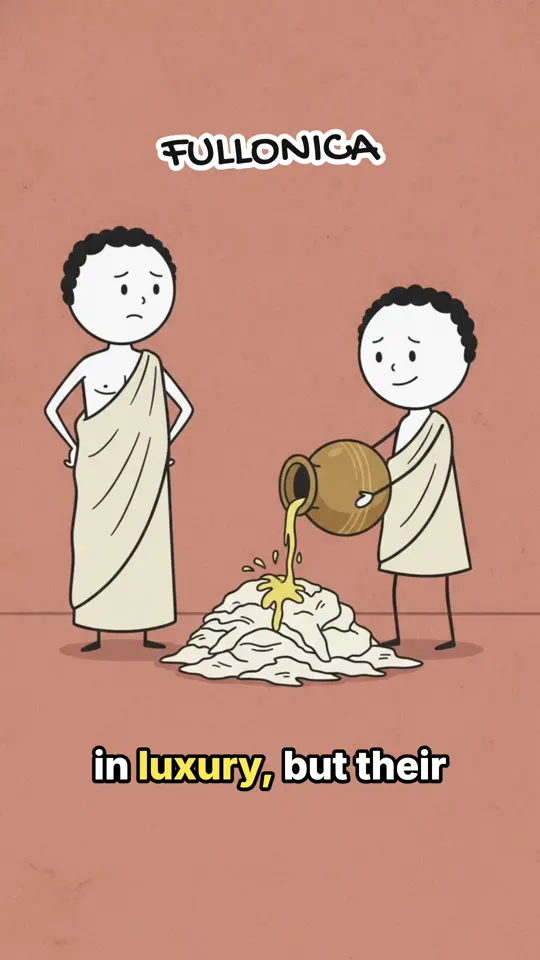
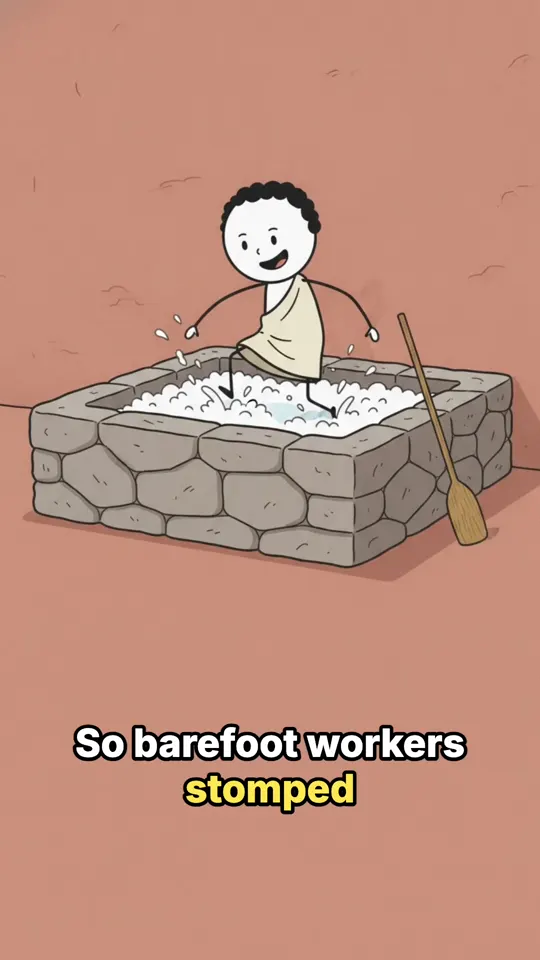
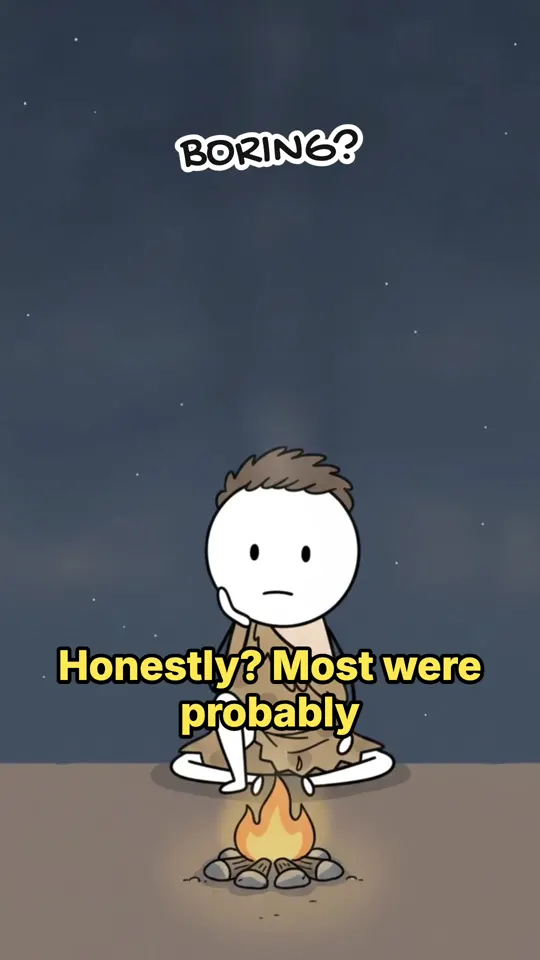
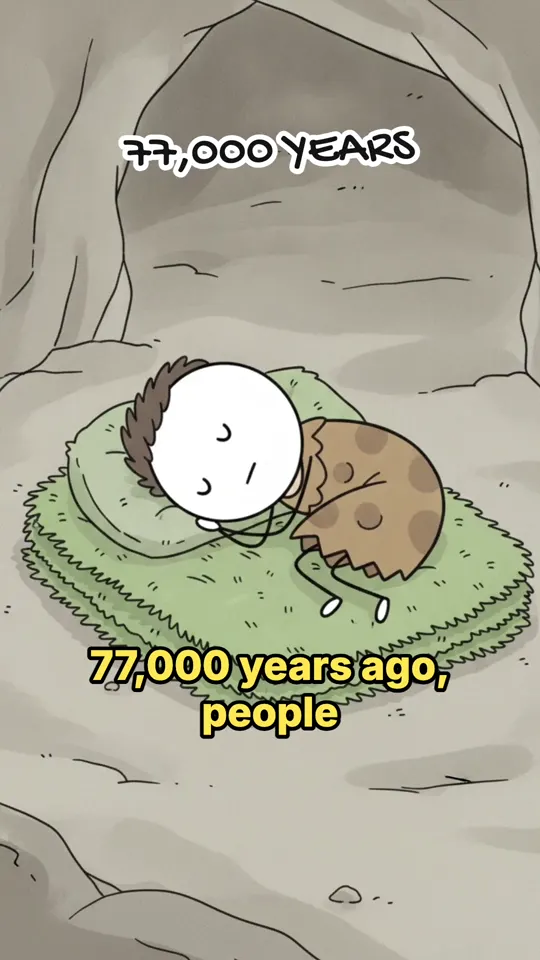
Questions
Is AI accurate enough for history videos?
Not without checking. StickTale grounds its research in Google Search, lists the sources it used and fact-checks the script against that research, which removes many errors. You should still confirm dates, numbers and quotes against the sources before publishing.
Where do the facts in the script come from?
From research notes grounded in Google Search. You get a list of the sources, so you can open each one and see where a claim came from.
Can I use real historical photos or maps?
No. StickTale does not use stock or archival footage. Every scene is a stickman drawing. You can describe what a scene should show and redraw it, which keeps the whole video in one consistent style.
How long can a history video be?
From about 45 seconds up to 10 minutes, as a vertical Short or a 16:9 YouTube video.
Can I keep the same character across a series?
Within a video, the character stays consistent because every scene is drawn from one reference sheet. Custom recurring characters across videos are part of the Creator plan.
Updated October 22, 2026
Make your first stickman video
StickTale is in private beta. Join the waitlist and we’ll send your invite as soon as a spot opens.