Psychology explainers
Psychology explainer videos with a stickman who gets it
Psychology channels answer the questions people ask about themselves: why they procrastinate, why they remember the embarrassing thing, why they suddenly see something everywhere. StickTale turns one of those questions into a narrated stickman explainer with an everyday character the viewer recognizes, and gives you the sources so you can make sure the science holds up.
Sample script: Why do you suddenly see your new car everywhere?
- You buy a red car. Suddenly, every car on the road is red.
- SAME NUMBERThere aren't more of them. Your brain just started counting.
- FREQUENCY ILLUSIONIt's called the frequency illusion, also known as the Baader-Meinhof phenomenon.
- SELECTIVE ATTENTIONStep one: selective attention. Your brain flags whatever just became important to you.
- CONFIRMATION BIASStep two: confirmation bias. Every new sighting feels like proof.
- The red cars were always there. You just weren't on the team yet.
Each line becomes one illustrated scene, narrated in one continuous take.
Why an everyday stickman works for psychology
Psychology videos land when the viewer thinks "that is me". A plain stick figure has no age, job or style to get in the way, so it becomes whoever is watching. Pick the Everyday person preset, or describe your own, for example "a tired office worker with a coffee mug".
Scenes show the moment, not the theory: checking a phone at 2 a.m., replaying a conversation in the shower, freezing in a meeting. Write your question in the second person ("Why do you...") and the script usually follows.
Pick concepts that hold up
Psychology has had a rough decade for famous findings. Effects like power posing and ego depletion were widely shared and later seriously questioned in replication attempts. A channel that repeats them loses credibility with the viewers most likely to comment.
- Favor well-established ideas: classic cognitive biases, memory, habits, attention, sleep.
- Look at the source list. Textbooks, university pages and peer-reviewed research beat pop-psychology blogs and quote cards.
- Use honest verbs. "Research suggests" and "one well-known study found" are accurate and still punchy. Rewrite any line that overstates.
- Skip armchair diagnosis. "If you do this, you are a narcissist" gets clicks and does damage. Describe behavior, not labels for people.
Mental health topics need extra care
An explainer is not therapy, and it should not sound like it. When a topic touches anxiety, depression or trauma, keep the script descriptive, avoid telling viewers what condition they have, and consider adding a line or description note that points people to a qualified professional.
Tone matters here. Calm documentary or Wholesome & upbeat usually suits heavier subjects better than Gripping & dramatic. You can make a new version with a different tone, or rewrite single lines that feel too flip.
Turning one concept into a series
Psychology topics chain naturally: one bias leads to the next. Make a run of Shorts, one concept each, then combine the best into a 16:9 video of up to 10 minutes. On the Creator plan you can keep a custom recurring character, so your stickman becomes the face of the channel.
Curious why this style spreads so well? Read why stickman explainers go viral. Comparing tools? See StickTale vs Hooked. Ready to try? Ask your first psychology question.
What the output looks like
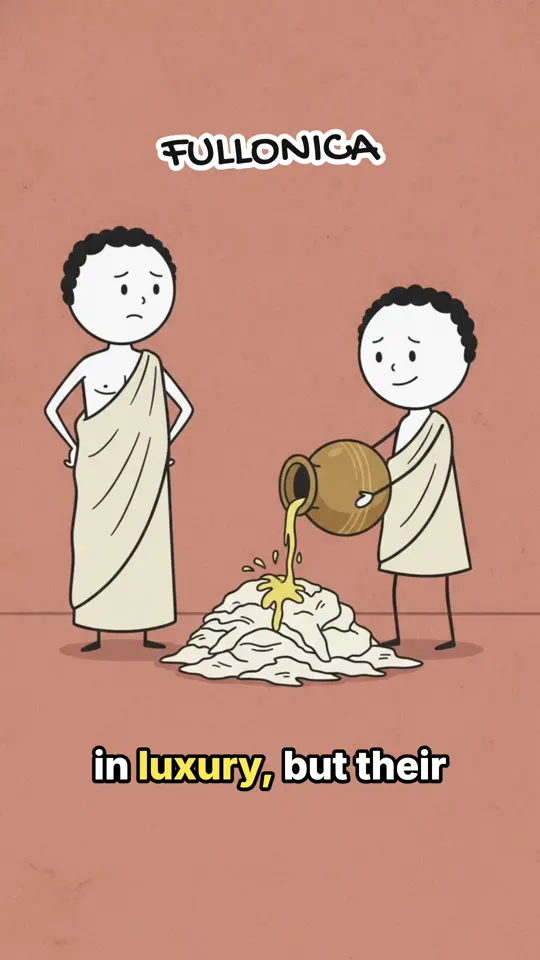

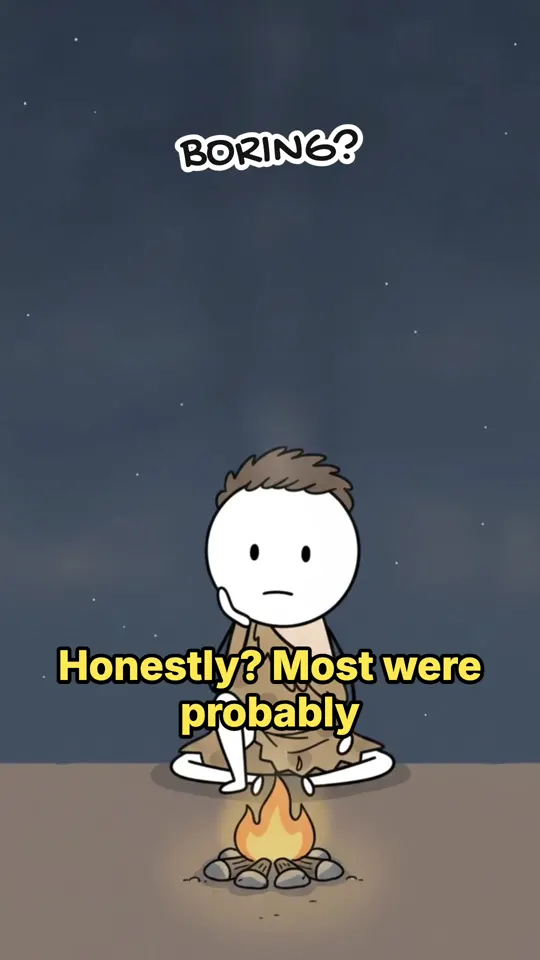

Questions
Is psychology a good niche for a faceless channel?
It suits the format well. The questions are evergreen, people search for them in their own words ("why do I..."), and the ideas are easy to show with a simple character in an everyday scene. As with any niche, it works best with a clear angle rather than general topics.
How do I avoid spreading pop-psychology myths?
Pick well-established concepts, read the source list StickTale gives you, and cut or soften any claim you cannot trace to solid research. Be wary of famous findings that later failed to replicate.
Can I make videos about mental health?
Yes, with care. Keep them educational, avoid diagnosing viewers, and point people to professional help where it fits. A calm or upbeat tone usually works better than a dramatic one for these topics.
Which tone works best for psychology videos?
Direct & funny, the default, works well for everyday biases and habits. Calm documentary fits longer or heavier topics. You can make a second version in another tone and compare.
Do I need a psychology degree to run this kind of channel?
No, but you should act like an honest science journalist: cite real research, describe it accurately and stay clear of giving personal advice.
Updated October 22, 2026
Make your first stickman video
StickTale is in private beta. Join the waitlist and we’ll send your invite as soon as a spot opens.